
Common Roof Problems Tennessee Homeowners Face After Storm Season
Updated: Jul 9
Tennessee homeowners are no strangers to severe weather. From heavy rain and strong winds to hail and thunderstorms, storm season can leave behind damage that isn't always immediately visible. While some issues are obvious, others may develop gradually and lead to costly repairs if left unaddressed.
Your roof serves as your home's first line of defense against the elements. After a storm passes, it's important to inspect your property for signs of damage and address potential problems before they worsen. Understanding the most common roof issues Tennessee homeowners face after storm season can help protect your home, family, and investment.
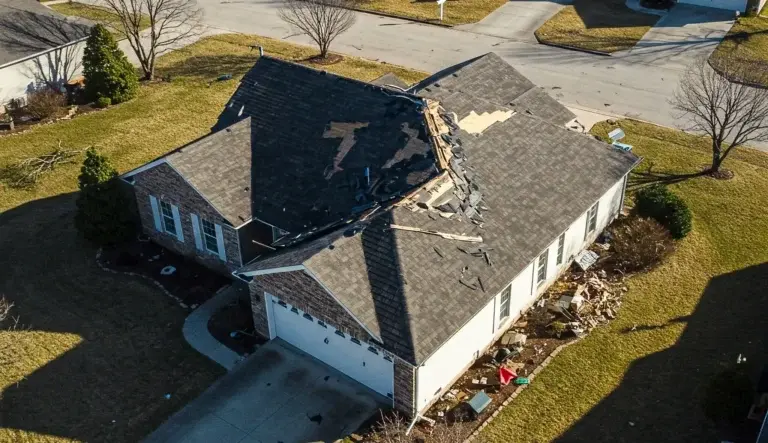
Why Storm Damage Should Never Be Ignored
Even minor roof damage can create opportunities for water intrusion, mold growth, insulation damage, and structural deterioration. Tennessee's combination of high humidity and frequent storms means that small roofing issues can escalate quickly.
Many homeowners assume that if they don't see a leak, their roof is fine. However, storm-related damage often develops beneath the surface, making professional inspections an important part of home maintenance.
Missing or Damaged Shingles
One of the most common roofing problems after a storm is missing or damaged shingles.
Strong winds can:
Lift shingles from the roof surface
Crack or curl existing shingles
Loosen roofing materials
Expose the underlying roof structure
When shingles become damaged or detached, your roof becomes vulnerable to moisture penetration. Even a small area of exposed roofing material can eventually lead to leaks and interior damage.
After a major storm, homeowners should visually inspect their roof from the ground and look for uneven sections, missing shingles, or roofing debris around the property.
Roof Leaks and Water Intrusion
Heavy rainfall can expose weaknesses in an aging roof. Water may enter through damaged shingles, compromised flashing, or areas where roofing materials have deteriorated over time.
Common signs of a roof leak include:
Water stains on ceilings
Discolored walls
Peeling paint
Damp insulation in the attic
Musty odors indoors
The challenge with roof leaks is that water often travels before becoming visible. The source of the leak may be several feet away from where water appears inside your home.
Prompt repairs can prevent larger structural problems and reduce long-term repair costs.
Damaged Flashing Around Roof Features
Flashing is the thin metal material installed around chimneys, vents, skylights, and roof intersections to prevent water penetration.
During severe storms, flashing can:
Become loose
Bend or warp
Pull away from the roof surface
Develop gaps where water can enter
Because flashing protects some of the most vulnerable areas of your roofing system, even minor damage can create significant leak risks.
A professional inspection can identify flashing issues before they result in interior water damage.
Hail Damage
While not every storm produces hail, Tennessee homeowners occasionally experience hailstorms capable of causing substantial roof damage.
Hail can:
Crack shingles
Remove protective granules
Dent metal roofing components
Shorten the lifespan of roofing materials
One challenge with hail damage is that it isn't always visible from the ground. Roof surfaces may appear intact while hidden damage continues to weaken the roofing system.
If your area experiences a hailstorm, scheduling a roof inspection is often the best way to assess potential damage.

Clogged and Damaged Gutters
Many homeowners don't realize how closely their gutters and roof work together.
Storms often leave behind:
Leaves
Twigs
Branches
Dirt and debris
When gutters become clogged, rainwater can no longer flow away from the home properly. Water may overflow and collect near the roofline, increasing the risk of moisture damage to roofing materials, fascia boards, and siding.
This is one reason why many roofing professionals recommend inspecting gutters after severe weather events.
For homeowners concerned about drainage issues, professional gutter replacement services can help improve water management and protect the home's exterior.
Roof Problems Due To Tree Damage and Falling Debris
Trees provide beauty and shade, but they can also pose a risk during storm season.
Strong winds may cause:
Falling branches
Impact damage
Punctures in roofing materials
Structural stress on roof systems
Even if a branch doesn't penetrate the roof, the impact can loosen shingles, damage flashing, or weaken underlying roofing components.
After a storm, homeowners should carefully inspect their property for fallen limbs and signs of roof impact.
Hidden Structural Damage
Not all storm-related roof problems are visible from the outside.
Prolonged exposure to moisture can lead to:
Rotting roof decking
Mold growth
Damaged insulation
Weakened structural supports
These hidden issues often develop slowly and may go unnoticed until significant repairs are required.
Routine inspections help identify potential concerns early, allowing homeowners to address problems before they become major expenses.
How to Protect Your Roof After Storm Season
The best way to minimize storm-related roofing issues is through proactive maintenance.
Homeowners should:
Inspect the roof after severe storms
Check for missing or damaged shingles
Monitor ceilings and walls for water stains
Clean gutters and downspouts regularly
Trim overhanging tree branches
Schedule professional roof inspections when needed
Taking these steps can extend the life of your roofing system and help avoid costly emergency repairs.
Why Professional Roof Inspections Matter
While homeowners can identify obvious signs of damage, many roofing problems require a trained eye.
Professional inspections can uncover:
Hidden leaks
Flashing failures
Hail damage
Structural concerns
Early signs of roof deterioration
By identifying issues early, homeowners can make informed decisions about repairs and maintenance before problems become more severe.
Why Homeowners Trust CBF, LLC Construction Services
At CBF, LLC Construction Services, we understand the challenges Tennessee weather can create for homeowners. Our team is committed to helping property owners identify roofing issues, protect their investments, and maintain safe, reliable homes.
Whether you're concerned about storm damage, aging roofing materials, or preventative maintenance, professional guidance can help ensure your roof continues to perform as intended.
Protect Your Home After Storm Season
Storm damage isn't always obvious, but ignoring small roofing issues can lead to costly repairs down the road. If your home has recently experienced severe weather, now is the perfect time to assess the condition of your roof and address any concerns before they worsen.
Contact CBF, LLC Construction Services today to schedule a professional inspection and learn how we can help protect your home from future storm-related damage.
FAQs
1. How soon should I inspect my roof after a storm?
It's best to inspect your roof as soon as it's safe to do so. Early detection can help prevent additional damage.
2. Can a roof have storm damage without leaking?
Yes. Missing shingles, damaged flashing, and hail impacts may not cause immediate leaks but can still compromise the roof's integrity.
3. Does hail always leave visible roof damage?
Not necessarily. Some hail damage can only be identified through a professional inspection.
4. How often should Tennessee homeowners have their roof inspected?
Many roofing professionals recommend annual inspections and additional inspections following major storms.
5. Can clogged gutters damage my roof?
Yes. Improper drainage can allow water to back up near the roofline, potentially leading to moisture damage and premature roof deterioration.


Comments